
The Short Answer
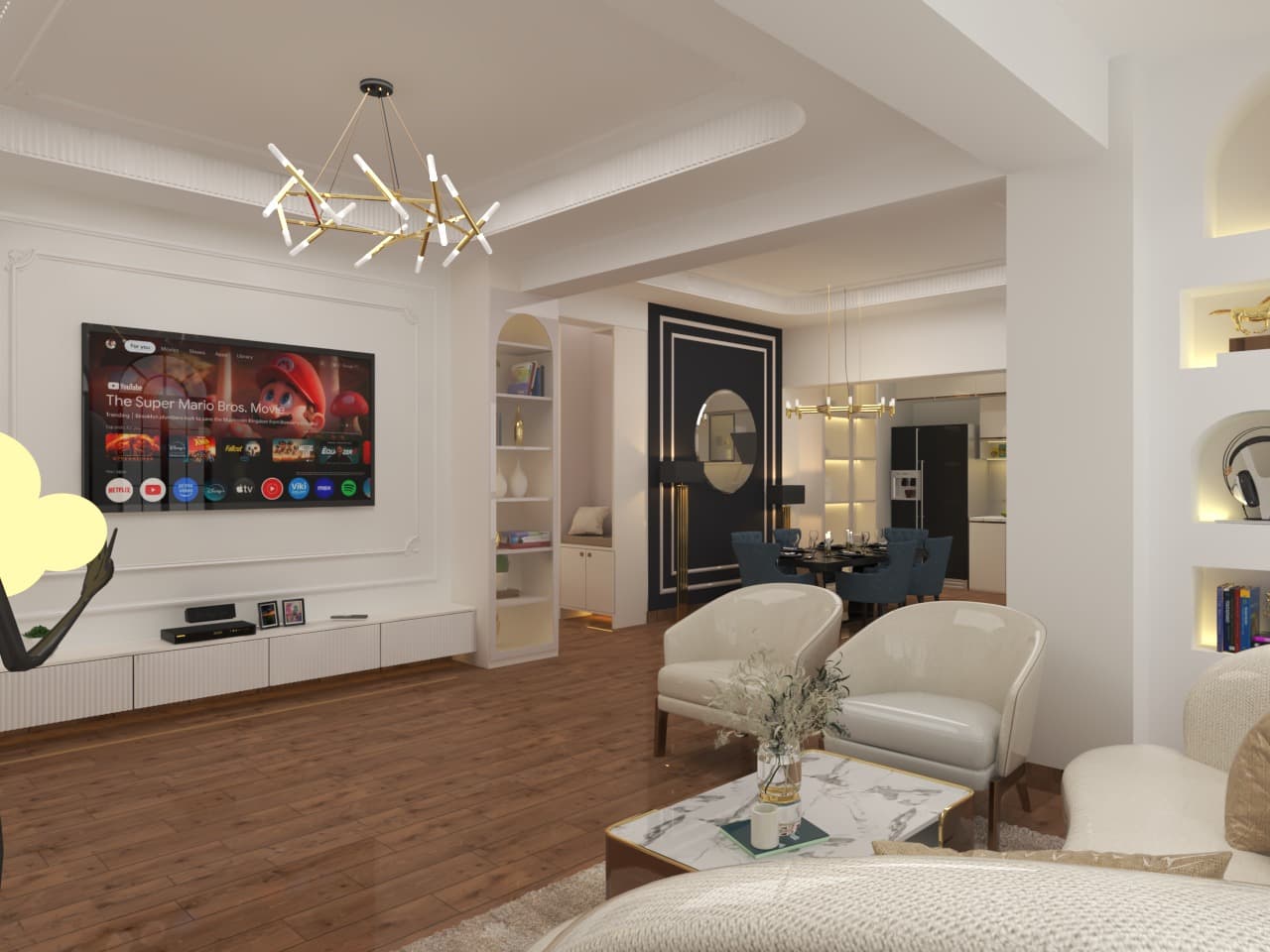
For most Kolkata flats, a fluted-panel TV unit paired with a floating console is the safest way to achieve a modern, premium living room. It adds texture and depth without crowding the room , hides wiring easily, and works in both small and large halls. Choose a light wood or cream finish for compact rooms, and a dark walnut or charcoal tone for larger living rooms where you want a statement wall.
The TV wall is the first thing guests see and the part of the room your family looks at every day, so it is worth planning carefully. This guide covers 10 TV unit design ideas for Kolkata living rooms, materials that handle local humidity, and planning mistakes to avoid.
What Are Fluted Panels?
Fluted panels have vertical grooves or ridges that create rhythm and shadow on a wall. They can be made from wood, plywood with laminate or veneer, MDF with a PU finish, WPC, or PVC. Interior designers like them because the texture adds depth with little effort, and the grooves can also help soften sound in a room.
They work well on a TV wall, as well as on partitions, pillars, bar units, and dining sideboards.
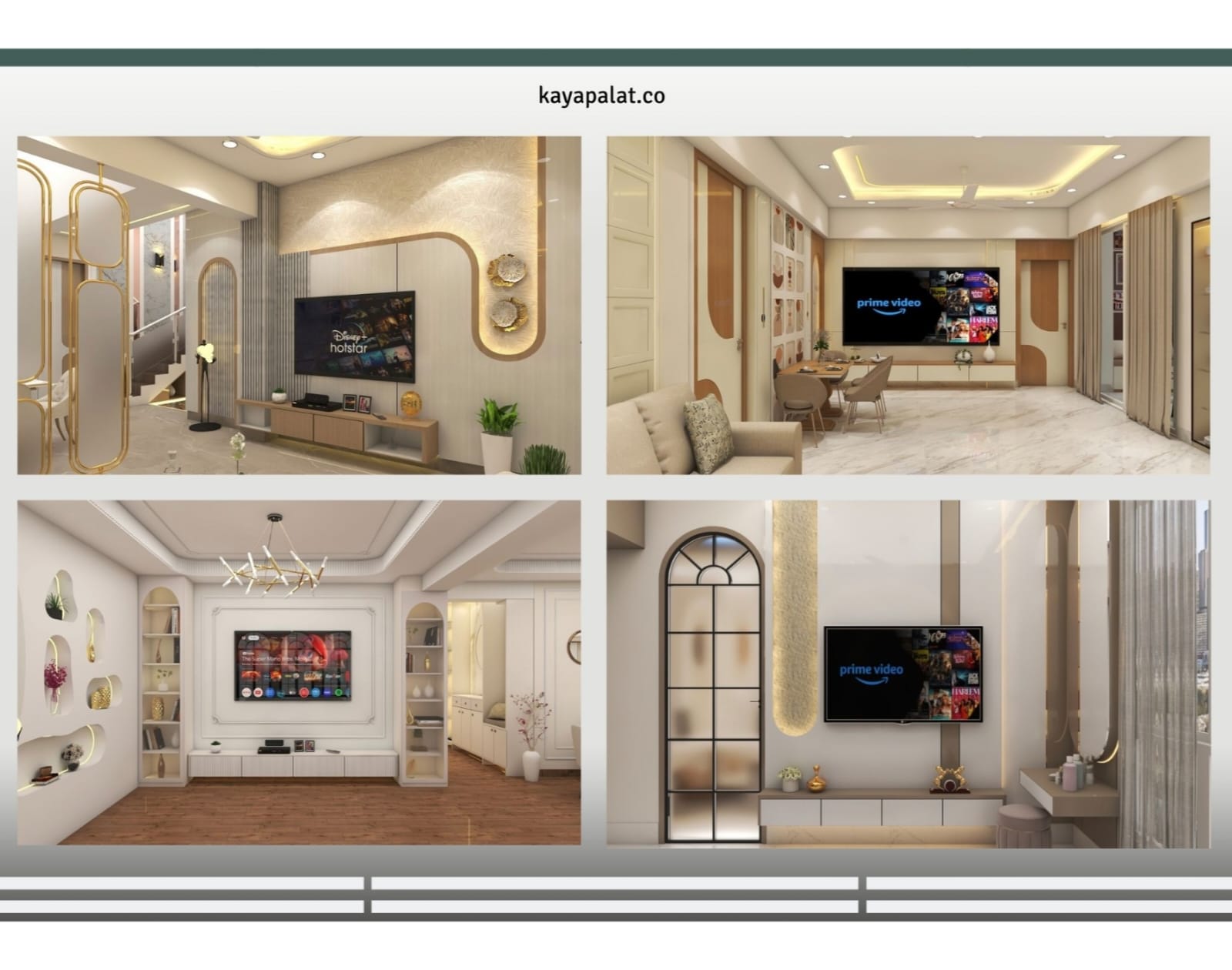
10 Fluted Panel and TV Unit Design Ideas
1. Full-wall fluted panel with a floating console
The panel covers the whole wall, and a slim floating unit sits in front of it. This is the most popular layout because it looks clean, makes floor cleaning easy, and keeps the room feeling open.
2. Wooden fluted TV unit with LED backlight
Warm wood grooves with a soft LED strip behind or beneath the unit give the wall a gentle glow in the evening. Keep the light warm white so the wood does not look yellow.
3. Fluted panel with open niches and display shelves
Mix closed fluted panels with open niches for decor, plants, or books. This suits homes where the TV wall also needs to show personality.
4. Floating TV unit with hidden storage
A wall-hung unit with push-to-open drawers keeps remotes, routers, games, and documents out of sight. It suits families who want a tidy look.
5. Dark-toned fluted wall for a premium look
Deep walnut, charcoal, or smoky brown fluted panels make a strong feature wall. They work best in living rooms with good natural light or well-planned lighting, since dark colours can make small rooms feel heavier.
6. Fluted panel with a marble or stone-look backdrop
Combine fluted wood on one side with a marble-look laminate or stone-finish panel behind the TV. The mix of textures adds interest, and a gold or brass trim can lift the look further.
7. TV unit with a study or bookshelf side
For flats where the living room doubles as a reading corner or home office, add a bookshelf or a small desk next to the TV unit, all tied together by the same fluted finish.
8. Compact TV unit for small flats
In smaller flats, keep the unit slim, use a light colour, and skip heavy side towers. A narrow fluted panel behind a floating console is enough.
9. Fluted partition between living and dining areas
If your living and dining areas share one space, a fluted partition can separate them without blocking light. A semi-open design with gaps lets light and air pass through.
10. Fluted panel with a puja unit nearby
Many Kolkata families place the puja corner close to the living area. Using the same fluted finish and wood tone for both makes the space feel planned rather than added later. Place the puja unit on a separate wall or side so the TV does not face it directly.
Browse more real layouts in our living room gallery.
Materials That Work in Kolkata's Humidity
Kolkata's monsoon and damp winters can affect wood-based panels. Here is how the common options compare:
Plywood with laminate or veneer: A sturdy, popular choice for fluted panels. Use moisture-resistant plywood, and seal the edges well.
MDF with PU finish: Gives a smooth, premium look, but ordinary MDF can swell if it absorbs moisture. Ask for moisture-resistant boards and proper sealing, especially on walls with damp patches.
WPC (wood-plastic composite): Resists moisture better than plain wood-based boards, but check the finish and quality.
PVC panels: Light, easy to install, and moisture-tolerant, good for budget-friendly or rental flats, but they may not feel as premium as real wood finishes.
Solid wood: Beautiful but expensive, and can warp in humid weather if not treated.
Before choosing, check the wall behind the panel for dampness or seepage. Panelling over a damp wall will fail, no matter the material.
We cover this topic in more depth in our guide to false ceiling materials, which also applies to wall finishes.
Plan These Before You Build
A good TV wall is mostly invisible planning:
TV height: Place the centre of the screen roughly at eye level when you are seated, usually around 3 to 3.5 feet from the floor.
Wiring and cable concealment: Plan conduits for HDMI, power, internet, and speaker cables before panelling goes up.
Power points: Add enough sockets behind or beside the unit for the TV, set-top box, router, soundbar, and gaming console.
Ventilation: Leave gaps around electronics so they do not overheat inside closed cabinets.
AC position: Make sure the AC airflow does not hit the TV or create uneven cooling, and plan the AC point away from the panel grooves.
Lighting: Decide between cove lighting, LED strips, spotlights, and wall washers, and place them to avoid glare on the screen.
Wall condition: Fix any dampness or cracks before installation.
Common Mistakes to Avoid
Placing the TV too high: This is one of the most common mistakes and causes neck strain.
Skipping cable concealment: Wires dangling over a beautiful panel ruin the finish.
Too much dark colour in a small room: It can make the space feel smaller and gloomy.
Ignoring dust: Deep grooves collect dust, so choose a groove size you can clean easily.
Using the wrong material on a damp wall: This leads to swelling, peeling, or bubbling.
Designing without checking furniture layout: The TV unit must fit with the sofa position and walking space.
Forgetting future upgrades: A larger TV or soundbar later should still fit without redoing the wall.
Which Design for Which Room Size?
Small living room (under about 150 sq ft): Slim floating unit with a light-toned fluted panel and minimal side storage.
Medium living room: Floating unit with fluted panel, one or two open niches, and warm backlighting.
Large living room: Full-wall fluted design with a dark or contrasting tone, integrated storage and display shelves.
Combined living and dining: A fluted partition or a TV unit that doubles as a divider.
How to Get It Right
Start with the room layout: where the sofa sits, how far the TV is, and where light falls.
Choose the style and finish before the materials.
Ask for a 3D visual so you can see the wall before it is built.
Confirm the material, thickness, and finish in writing.
Plan wiring, lighting, and ventilation with the carpenter and electrician together.
Check the finished work against the design before final payment.
If you are planning a full home, see our guide on turnkey vs contractor vs interior designer in Kolkata to decide who should manage the work.
FREQUENTLY ASKED QUESTIONS
What is the best colour for a fluted TV wall?
Light wood and cream tones suit small rooms and flats with limited light. Dark walnut or charcoal works in larger living rooms with good lighting.
How high should a TV be on a fluted panel wall?
Place the centre of the screen at about eye level when you are seated, which is usually around 3 to 3.5 feet from the floor.
Can I add fluted panels to an existing TV wall?
Often yes. A designer can check the wall condition and suggest panels that can be fitted over it, but dampness and uneven surfaces must be fixed first.
Do fluted panels collect dust?
The grooves can collect dust, but regular dusting or a soft brush keeps them clean. Wider grooves are easier to maintain.
Can I plan a TV unit before my flat is ready?
Yes. If you are buying an under-construction flat, you can plan the wall layout, power points, and cable routes from the floor plan. See our guide on interior design for an under-construction flat.
How do I know which TV unit style suits my flat?
Share your living room size, sofa position, and storage needs with a designer. A 3D visual shows how each option will look before you commit.
Planning a New TV Wall for Your Kolkata Home?
Kayapalat designs living rooms, TV walls, and full-home interiors across Kolkata. Share your room size and ideas, and we'll suggest a TV unit layout, materials, and lighting that suit your home.